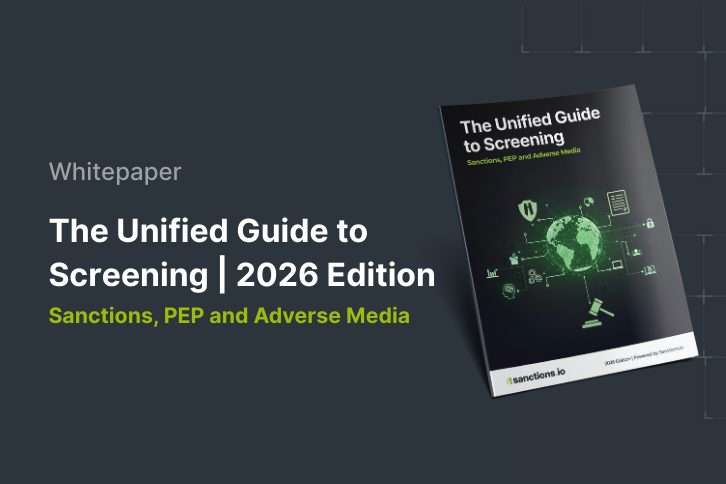
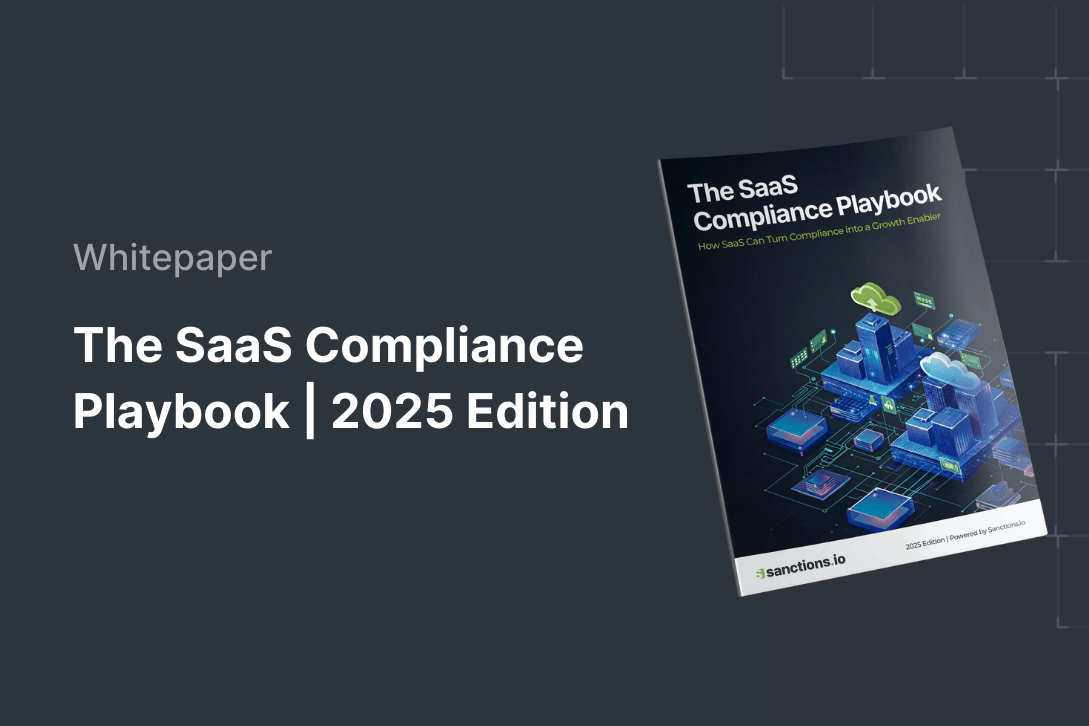
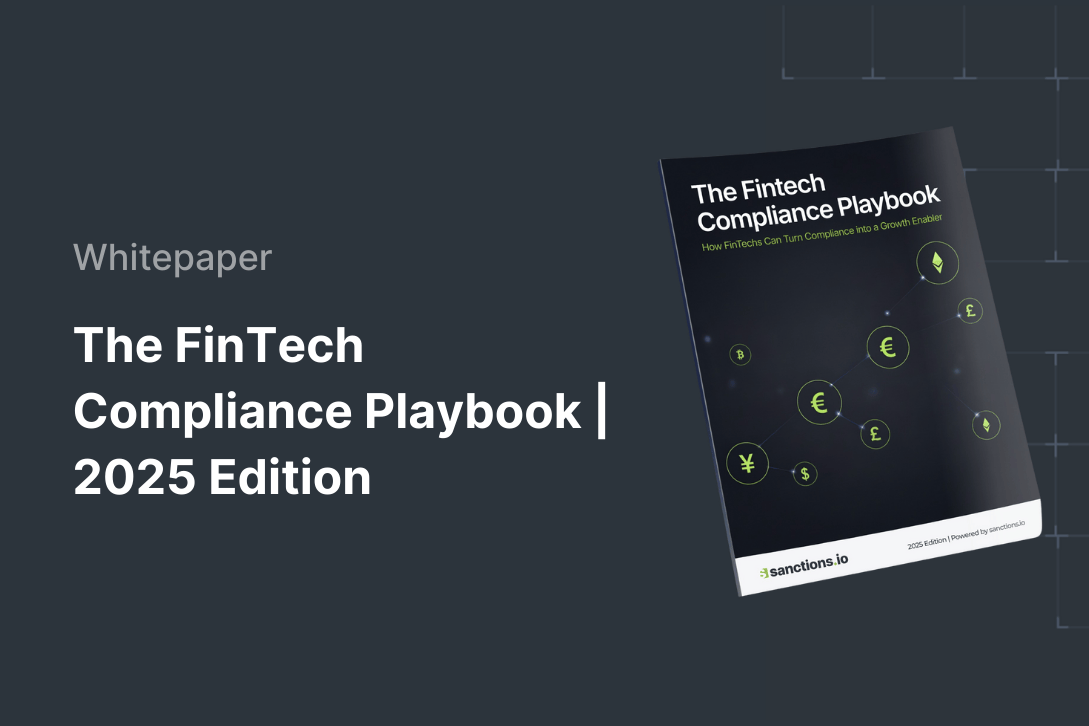
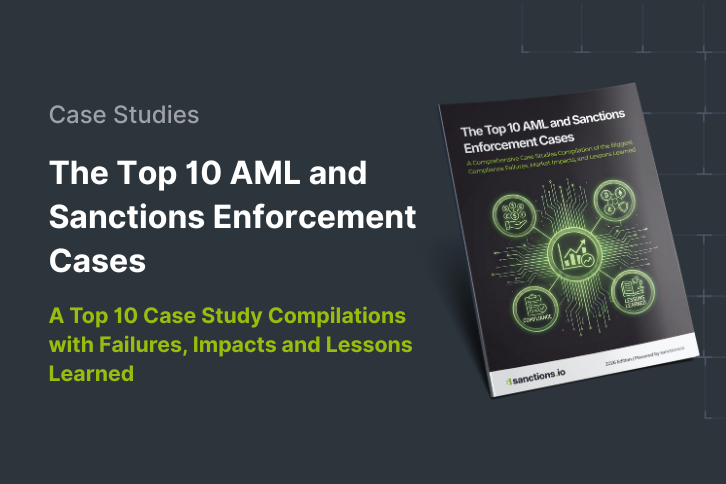
Explore AML & Sanctions Compliance Resources

Find all our case studies, webinars, and compliance guides in one place.

Resource Library

Search and filter through our collection of AML and sanctions compliance materials.

Thank you! Your submission has been received!
Oops! Something went wrong while submitting the form.

Guides

No results found
Please try different keywords
No results found
Please try different keywords
Thank you! Your submission has been received!
Oops! Something went wrong while submitting the form.

Blog Posts

What Are Shelf Companies and What Compliance Risks Do They Pose?
AML Compliance

Shelf companies are legally registered but inactive firms held by brokers until sold to buyers seeking a ready-made business entity. While legitimate uses exist — like saving time or enhancing perceived business credibility — shelf companies can pose serious compliance risks. Criminals may exploit them to hide beneficial ownership, launder money, commit fraud, or evade taxes by layering them within complex offshore structures. Detecting shelf companies requires careful due diligence, robust ownership verification, and monitoring for sudden suspicious activity. Regulators worldwide are tightening transparency rules, but firms must proactively screen clients and understand when a dormant company could mask criminal conduct.

Top AML Software for Banks in 2025: Features, Vendors & Compliance Benefits
AML Compliance

In 2025, the need for advanced Anti-Money Laundering (AML) software has become critical for banks navigating increasingly complex regulatory landscapes and evolving financial crime threats. This article reviews the key features of leading AML platforms - including real-time transaction monitoring, AI-driven risk scoring, integrated KYC/CDD, behavioural analytics, and cloud scalability - while highlighting top vendors such as NICE Actimize, Oracle, and ComplyAdvantage. It also spotlights sanctions.io for its comprehensive, API-friendly, and cost-effective approach. Ultimately, modern AML solutions empower banks to enhance compliance, reduce costs, detect threats proactively, and maintain customer trust across global operations.

Financial Institutions
$300M Ponzi Scheme: The Todd Burkhalter Case
AML Compliance

Todd Burkhalter's $300 million Ponzi scheme stands as one of the most sophisticated financial frauds in recent history, deceiving investors through fake returns, shell companies, and polished documentation. Built on trust and personal relationships, the scheme operated undetected for years until a whistleblower triggered an investigation that revealed massive asset misrepresentation and misuse of funds. The case exposed critical regulatory gaps, prompted calls for tighter oversight, and accelerated adoption of AI-driven AML and fraud detection tools within financial institutions. It also severely impacted investor trust, highlighting the need for stronger due diligence, transparent advisor vetting, and a proactive compliance culture to guard against future financial crimes.

Who Are Politically Exposed Persons (PEPs)? A Complete Guide
AML Compliance

This comprehensive guide explains the concept of Politically Exposed Persons (PEPs) - individuals in prominent public positions who are considered high risk for corruption, bribery, and money laundering. It outlines the different categories of PEPs, including foreign and domestic figures, their family members, and close associates. The article details the UK’s regulatory framework, enhanced due diligence (EDD) requirements, and the tools used by financial institutions to identify and monitor PEPs. It highlights challenges such as identification difficulties, false positives, and balancing compliance with customer experience. Real-world scandals like 1MDB and Odebrecht illustrate the global impact of PEP-related financial crimes, while UK-specific examples show how property markets have been exploited. Ultimately, the guide underscores the importance of a risk-based, proportionate approach to managing PEPs to safeguard the financial system.

Europe
7 Common Types of Financial Fraud & How to Detect Them
AML Compliance

This article explores seven common types of financial fraud (identity theft, credit card fraud, investment fraud, invoice fraud, payroll fraud, insurance fraud, and phishing) detailing how each scheme operates and offering practical advice on how to detect and prevent them. From monitoring bank statements and verifying payment requests to conducting internal audits and recognising phishing tactics, both individuals and businesses can take proactive steps to reduce their risk. The guide emphasises the importance of vigilance, staff training, and using security tools to stay ahead of increasingly sophisticated scams. Ultimately, a combination of awareness, strong processes, and technology is key to protecting against financial fraud.

9 Essential Features of Effective AML Software in 2025
AML Compliance

In 2025, effective AML software is defined by nine essential features that empower banks to detect and prevent financial crime with speed, intelligence, and precision. These include real-time transaction monitoring, AI-driven risk scoring, integrated KYC/CDD, workflow automation, and regulatory reporting tools. Advanced platforms also leverage behavioural analytics, cross-channel integration, cloud scalability, and customisable alerting to offer a complete, flexible compliance solution. Together, these capabilities enable financial institutions to stay ahead of evolving risks, reduce operational costs, ensure audit readiness, and build customer trust in a fast-changing regulatory landscape.

No results found
Please try different keywords
Subscribe to The Monthly Brief

Get our latest news, blog posts, and industry insights straight to your inbox by subscribing to The Monthly Brief.

Success! Your email has been successfully registered for our newsletter.
Oops! Something went wrong while submitting the form.

Join 300+ Organizations That Trust Sanctions.io

Start your free trial or schedule a call to streamline your compliance operations.